
Trackers vs. DEXA: What Your Fitness Watch Isn’t Telling You

Trackers vs. DEXA: What Your Fitness Watch Isn’t Telling You
Fitness trackers are part of daily life now. We check our steps, watch our sleep score, track calories burned, and proudly close our rings. These tools are valuable and they help us stay consistent, aware, and connected to our habits.
But here’s the limitation almost no one talks about:
Your tracker can’t tell you what’s actually happening inside your body.
And after 40, especially during perimenopause or menopause, what’s happening internally matters even more than the metrics on your wrist.
My own experience:
This summer I began track my protein intake (one of the macros!), more seriously for the first time. And as someone who spent years eating plant-based, I realized quickly how difficult it is to consistently hit the levels required for muscle maintenance, especially during heavy cardio months.
I felt strong. But my body wasn’t responding the same way it used to.
Even without a DEXA scan yet, I could tell my muscle-to-fat ratio wasn’t matching the work I was putting in.
That’s when I started researching body composition scans more closely and understanding why they’re so valuable, not as judgment, but as clarity.
This is where a DEXA body composition scan fills in the missing pieces.
Trackers measure movement.
DEXA measures your physiology.
Your watch can tell you:
• Steps
• Heart rate
• Sleep patterns
• HRV
• Training load
• Calorie expenditure
These are helpful surface metrics.
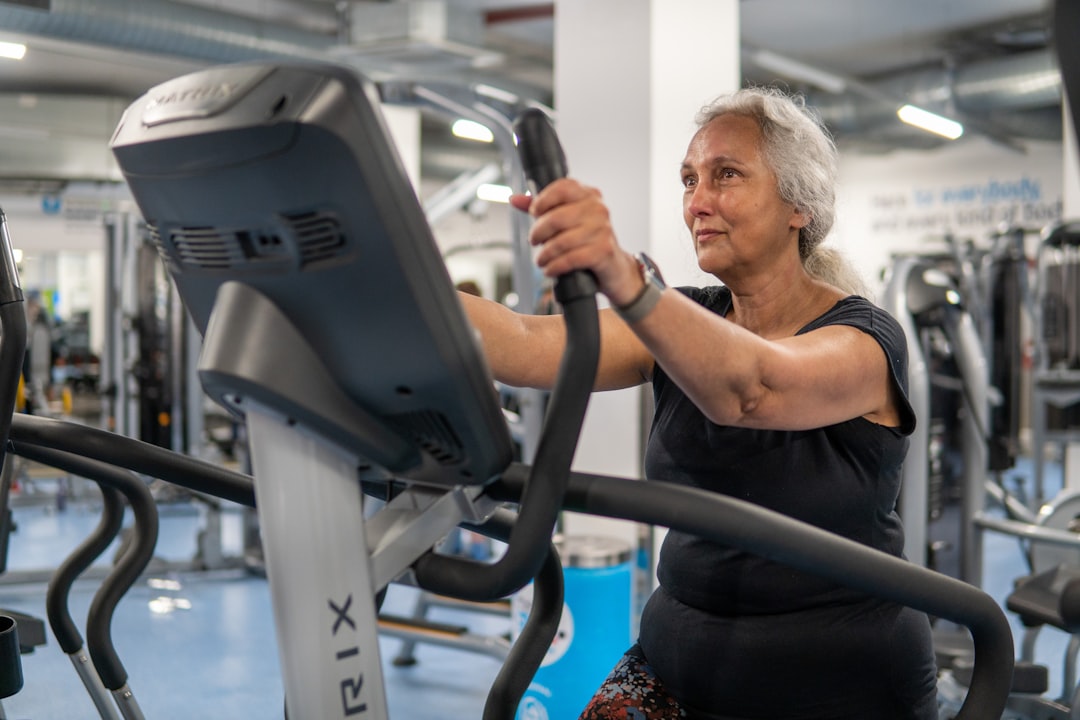
Yet, they don’t tell you:
• How much muscle you’re actually maintaining
• Whether you’re losing muscle despite working out
• Whether your metabolism is slowing or adapting
• How much visceral fat your body is holding
• How your bone density is changing
• If your training is balanced or imbalanced left-to-right
• What’s actually influencing your energy levels
These are the numbers that matter for long-term health, hormone support, stability, strength, and aging well.
Why so many active people still feel “off”
This is something I hear often, from clients, friends, and women in their 40s and 50s who are doing everything right on paper:
“I walk every day. I go to yoga. I eat well. I’m active. So why does my body feel so different?”
The truth is, your tracker isn’t designed to measure the deeper changes happening to muscle, fat distribution, and metabolism as hormones shift.
Especially during:
• perimenopause
• menopause
• high-stress periods
• heavy cardio seasons
• low-protein routines
• inconsistent strength training
If you’re active but not feeling as strong, stable, or energized as you used to, it’s not in your head. Your physiology is changing and you deserve tools that can keep up.
What makes DEXA different
A DEXA scan is one of the most precise ways to understand your body composition. It uses low-dose X-ray technology (equal to a flight, less than MRI and other scans), to break down your body into three key areas:
1. Muscle Mass
The real indicator of strength, stability, recovery capacity, and metabolic health.
2. Fat Mass (including visceral fat)
Visceral fat — the fat around organs — is invisible from the outside and significantly influences inflammation and hormonal balance.
3. Bone Density
Critical for long-term mobility and fracture prevention, especially as estrogen levels shift.
It’s a fast, detailed snapshot that tells you exactly what’s happening beneath the surface.
Where trackers fall short (and why that matters)
Trackers estimate calorie burn based on algorithms, not your actual physiology.
They estimate sleep quality based on movement.
They estimate recovery based on HRV (heart rate variability).
All helpful.
All incomplete.

DEXA, on the other hand, measures:
• the structure of your body
• the composition of your weight
• the distribution of your fat
• the density of your bones
• the true picture of your muscle vs. fat
These are the metrics that reveal whether your current habits are supporting your health or whether something needs adjusting.
Why DEXA is especially powerful after 40
Once we hit our late 30s and early 40s, muscle becomes harder to maintain.
Cardio alone isn’t enough. Low protein intake accelerates loss. Hormones shift. Recovery slows.
Most women don’t realize they’re losing muscle until they feel:
• a drop in strength
• slower recovery
• changes in how their body carries weight
• more fatigue despite the same routine
• more joint sensitivity
A DEXA scan can confirm exactly what’s happening so you can:
• increase protein
• shift your workout balance
• support hormones
• choose smarter winter habits
• prevent further loss
• build back the strength that stabilizes everything else
Which tool should you use? Both. And for different reasons.
Use a tracker to monitor:
• daily habits
• sleep
• movement patterns
• stress
• training load
• long-term consistency
Use DEXA to understand:
• how your body is changing
• whether your routines are working
• what your metabolism is doing
• your real muscle and bone health
• your internal markers of aging
Together, they give you the full picture: movement + physiology.
If you want to start 2026 with clarity:
A DEXA scan is one of the simplest ways to set a baseline you can actually build from; especially if you’re navigating hormonal changes, an active lifestyle, or a desire to feel stronger and more grounded this year.
If you’re curious, I’ll be sharing more info and promotions offered to Body Calm subscribers looking to maintain and optimize their longevity.
I’ve partnered with providers in Mississauga and Toronto.
Body Calm has preferred promotions for January 2026 - stay in touch for updates through 2026.
📩 Message Body Calm at “DEXA” to learn more.
Local booking links
Current Offers
Optional protein/creatine stack recommendations
Your free Bone Health Checklists
Your free DEXA Body Composition Guide
Supportive Tools:
If you’re curious about how DEXA fits into a broader health picture:
🩻 FREE Bone and Body Composition Guides
• Bone Health Checklist for Menopause & Beyond
• Everyone’s Bone Health Checklist
• DEXA Body Composition Scan (Preferred Partners & Guide)
Discover more helpful Tools to Reduce Pain & Stress and Feel more Relief in Your Body & Mind:
💤 Wearables & Trackers
For sleep, HRV, and daily rhythm:
👉 “Explore my favourite wearables for recovery and daily structure.”
🌿 Adaptogens
For nervous system resilience + gentle hormonal support:
👉 “Here’s a simple adaptogen guide for stress and energy.
💜Recovery Tools
For mobility, inflammation, and better rest:
👉 “These are the recovery tools I use during busy or high-stress weeks.”
🔴 Red Light Therapy
For collagen, circulation, and mood support:
👉 “A beginner-friendly red light guide and recommended panels.”
🧪 Labs & Health Tracking
For inflammation, hormones, or deeper metabolic insight:
👉 “Browse lab tests I personally use to complement DEXA results.”

