
How to Stay Ahead of Your Health Without Losing Your Data or Your Mind
How to Stay Ahead of Your Health Without Losing Your Data or Your Mind

Between tracking our steps, syncing sleep, and googling every new symptom, staying “on top of your health” can start to feel like a full-time job. The truth is, prevention doesn’t have to be complicated or clinical. It needs to make sense.
If you’ve ever wondered how to use all these tools without turning into a human science experiment, this one’s for you.
The Shift Toward Preventative Health
More Canadians are realizing that waiting six months for a referral isn’t a health plan, it’s a holding pattern. That’s where functional and preventative testing come in.
Instead of waiting for symptoms to demand attention, functional tests look for early shifts in things like energy, hormones, inflammation, and nutrient balance. They help you understand how your system is adapting, not just whether it’s failing.
💡Simple definition:
Standard testing asks: Is there a problem to treat?
Functional testing asks: How well are your systems working together right now?
Neither replaces the other, they just answer different questions. Together, they form a clearer picture of your overall well-being.
Biomarkers 101 — Your Body’s Data Points
You’ve probably heard the term biomarkers tossed around in wellness podcasts or lab reports. Biomarkers are measurable signs of what’s happening inside you such as your blood sugar, iron, thyroid hormones, or cortisol levels.
Knowing a few key biomarkers can help you:
Understand fatigue or brain fog that “doesn’t show up on paper.”
Track progress from new routines or supplements.
Catch subtle imbalances before they snowball.
📘 Want a quick overview?
Download my Biomarker & Privacy Guide - it breaks down what’s worth testing, how to keep your data private, and the difference between functional and standard markers.
The Rise of Wearables: Don’t Overthink It
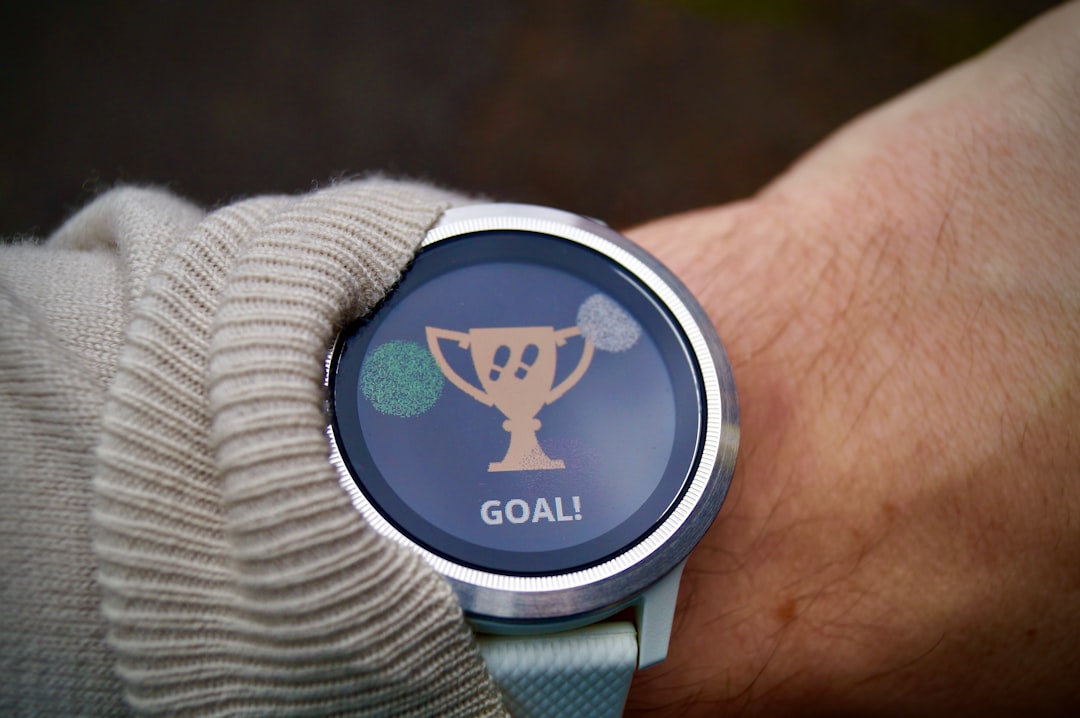
From Fitbit to Garmin to Oura, wearables are like the friendly neighbour who quietly notices your habits. They track sleep, heart rate variability (HRV), and stress patterns, helping you spot trends before you feel off balance.
You don’t need to track everything, just what helps you feel better. For most people, starting with sleep, recovery, and stress balance gives the most insight without overwhelm.
Curious which tracker fits your life best?
Check out the Wearables Quick-Start List for a simple guide: No jargon, just real recommendations for different lifestyles.
Data Privacy: Protecting Your Inner World
Not all lab or wearable platforms handle your information equally. Before connecting your device or uploading health data, make sure to:
Review the company’s privacy policy and how long they store your results.
Check if they’re HIPAA or PHIPA compliant (for Canadians).
Use unique logins and strong passwords, especially for apps that sync data automatically.
In 2019, a major lab experienced a data breach that affected millions. Lesson learned: protecting your data is as important as protecting your health.
📘 Learn more here: How to Protect Your Health Data Before You Test
The Balanced Approach: Tools, Not Crutches
Wearables, lab kits, and trackers are incredible when used intentionally.
They are not replacements for listening to your own body.
“You don’t need perfect data, you just need the right clues.”
Start small. Maybe track sleep for a week, or review one key biomarker panel. Then make one change. Repeat.
Prevention isn’t about panic; it’s about partnership between you and your own biology.
Final Thoughts:
Health tech should empower, not overwhelm. So whether you’re wearing your data on your wrist or finger, or checking your biomarkers over breakfast; remember the goal isn’t to collect more numbers. It’s to collect more peace of mind.
Here’s to clarity, calm, and confident self-care, without the spreadsheet.
— Sabrina
Body Calm Life | Peace of mind, Calm Presence and Clarity
